
✕
Share Your Feedback
We’d love to hear from you
Thank you! Your submission has been received!
Oops! Something went wrong while submitting the form.

Do you or a young person in your life often feel a persistent sense of worry, dread, or unease that just won't go away? This feeling might be more than just stress; it could be anxiety. In New York City, many children, adolescents, and young adults grapple with these overwhelming emotions, often wondering why they feel anxious all the time.
Anxiety disorders are among the most common mental health conditions affecting youth today. While it's normal to feel worried sometimes, clinical anxiety is different. It's a persistent, intense fear or worry that significantly interferes with daily life, impacting school, friendships, and overall well-being. Understanding this distinction is the first step toward finding effective support and regaining peace.
At Mount Behavioral Health, we understand the unique challenges facing young people aged 9-21 in NYC. Our focus is to provide specialized, accessible telehealth therapy services for anxiety across all five boroughs – Brooklyn, Manhattan, The Bronx, Queens, and Staten Island. We believe every young person deserves to understand their anxiety and learn practical strategies to manage it effectively.
The mental health landscape for children and teens in New York City is increasingly complex. Statistics reveal a significant rise in anxiety among youth. Nearly 20% of children aged 3-17 in New York have been diagnosed with a mental health condition, including anxiety. For young adults, up to 37% reported experiencing anxiety symptoms on most days.
This widespread anxiety often has profound effects on school performance and social development. Many young people struggle with school avoidance, difficulty concentrating, and withdrawing from social activities. These challenges can lead to a cycle of decreased self-esteem and increased isolation, making it even harder to cope.
Despite the clear need, there's a significant treatment gap. Many NYC schools lack adequate mental health resources, falling short of national standards for social workers, guidance counselors, and psychologists. This means that finding timely and specialized support outside of school settings becomes crucial for families.
Source: https://www.nimh.nih.gov/health/topics/anxiety-disorders
Anxiety doesn't always look the same in every young person. Symptoms can vary depending on age and individual personality. Parents and caregivers need to recognize the signs so they can seek help early.
For children aged 9-12, anxiety might manifest as frequent stomachaches or headaches with no medical cause, sleep disturbances, excessive worry about school or friends, or extreme shyness and reluctance to try new things. They might also become unusually clingy or experience separation anxiety.
Adolescents aged 13-17 often display irritability, changes in eating or sleeping patterns, social withdrawal, perfectionism, or constant reassurance-seeking. They might express fears about the future, academic performance, or social judgment. Panic attacks, characterized by sudden, intense fear, rapid heart rate, and shortness of breath, can also occur.
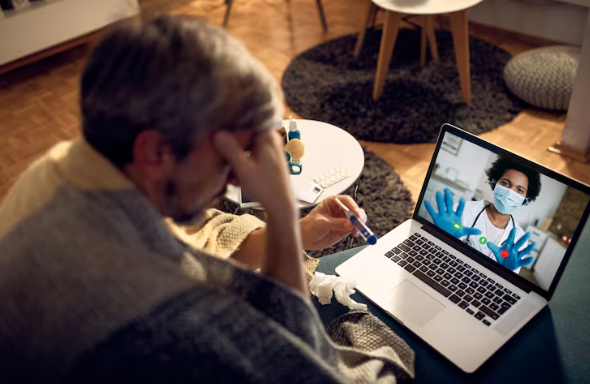
Young adults aged 18-21 might experience similar symptoms, along with increased difficulty managing stress, constant tension, or a pervasive feeling of dread. They may struggle with independent living, career choices, or developing healthy relationships. Alcohol or substance use can sometimes be a coping mechanism for underlying anxiety.
It's time to seek professional help when anxiety symptoms persist for several weeks, cause significant distress, or interfere with a young person’s ability to function normally in school, at home, or with friends. If anxiety leads to panic attacks, self-harm thoughts, or severe withdrawal, immediate support is essential.
The good news is that anxiety is highly treatable. Several evidence-based approaches have proven effective, especially when tailored to the unique needs of children and adolescents. At Mount Behavioral Health, we prioritize treatments that are backed by scientific research.
Cognitive Behavioral Therapy (CBT) is often considered the gold standard for anxiety treatment. It teaches young people to identify, understand, and change negative thinking patterns and behaviors that contribute to their anxiety. Through CBT, they learn practical coping skills to challenge anxious thoughts and gradually face fears.
In therapy, children and teens learn to recognize "thinking traps," like catastrophizing or mind-reading, and replace them with more balanced thoughts. They also practice exposure therapy, where they slowly and safely confront situations they fear, helping to reduce avoidance behaviors. CBT is highly interactive and provides concrete tools young people can use in their daily lives.
For some young people, medication can be a helpful component of an anxiety treatment plan, especially for moderate to severe symptoms. Selective Serotonin Reuptake Inhibitors (SSRIs) are the most commonly prescribed medications for youth anxiety due to their effectiveness and generally manageable side effects. Medications like sertraline (Zoloft) and fluoxetine (Prozac) are often used.
Decisions about medication are made carefully, in consultation with a psychiatrist, parents, and the young person themselves. It's a supportive decision-making process, considering potential benefits versus risks. Medication is typically prescribed by a qualified medical professional, often in conjunction with ongoing therapy.
Research consistently shows that a combined approach—Cognitive Behavioral Therapy alongside medication—is often the most effective strategy for treating anxiety in youth. Studies indicate an 81% success rate with this integrated method, compared to 60% for CBT alone and 55% for medication alone.
This combination targets anxiety from multiple angles: therapy provides coping skills and challenges thought patterns, while medication helps to regulate brain chemistry, making it easier for young people to engage in therapy and apply what they learn. An integrated care model ensures comprehensive and tailored support.
Source: https://www.ncbi.nlm.nih.gov/books/NBK571018/
Anxiety doesn't just affect the individual; it impacts the entire family system. Family therapy plays a vital role in supporting a young person's anxiety treatment. Parents learn how to best support their child, communicate effectively about anxiety, and avoid inadvertently enabling anxious behaviors.
Our approach emphasizes a partnership with parents. We provide education about anxiety, teach practical strategies for managing challenging behaviors at home, and foster a supportive environment for recovery. This collaborative effort helps create consistency and reinforces therapeutic gains outside of sessions.
Accessing mental health care in New York City can present logistical challenges, from busy schedules to long commutes across boroughs. This is where telehealth services, like those offered at Mount Behavioral Health, become incredibly valuable. Online therapy provides a flexible and convenient solution for busy NYC families.
Online therapy for anxiety offers numerous advantages for children and teens. It eliminates transportation barriers, making it easier for families in Brooklyn, Manhattan, The Bronx, Queens, and Staten Island to access specialized care. Young people can attend sessions from the comfort and privacy of their own home, which can reduce initial apprehension and increase engagement.
The effectiveness of telehealth for youth mental health is well-supported by research. Studies show that online therapy can be just as effective as in-person sessions for treating anxiety disorders in children and adolescents. The secure, HIPAA-compliant platforms ensure confidentiality and a safe space for therapeutic work.

Technology also enhances the therapeutic process. Tools like mood tracking apps, digital worksheets, and secure messaging can be integrated into online sessions, allowing for continuous support and progress monitoring between appointments. This can help young people practice coping skills and stay engaged with their treatment goals.
Building a strong therapeutic relationship is crucial, and it absolutely thrives in a virtual setting. Our therapists are skilled at creating engaging and empathetic connections through video calls, using interactive activities and techniques specifically adapted for online delivery. Many teens find it easier to open up when they are in a familiar and comfortable environment.
At Mount Behavioral Health, we are dedicated to providing exceptional teen anxiety counseling online for young people aged 9-21 across NYC. Our specialized focus means we deeply understand the unique developmental stages and challenges faced by this age group. We are committed to helping them navigate anxiety and thrive.
Our integrated care model ensures comprehensive support. This means we offer more than just individual therapy sessions. We can connect families with psychiatry services for medication management when appropriate, provide peer support resources, and guide families through crisis services should the need arise. We aim to be a holistic resource for youth mental health.
We firmly believe in a family partnership approach. Parents are integral to the treatment process. We involve parents in initial assessments, treatment planning, and regular check-ins, always respecting the young person's privacy during their individual sessions. We empower parents with strategies to support their child's progress at home.
Every treatment plan at Mount Behavioral Health is evidence-based and trackable. We utilize proven therapeutic techniques and continuously monitor progress using objective measures. This allows us to adjust strategies as needed and demonstrate tangible improvements, giving both young people and their families confidence in the journey.
We also understand the complexities of healthcare finances. Our team assists with insurance navigation, helping families understand their coverage for telehealth services. We are dedicated to making quality mental health care accessible to all eligible New Yorkers seeking support for their children and teens.
Beginning the journey toward managing anxiety starts with a thorough assessment. During the initial consultation, our experienced clinicians will conduct a comprehensive evaluation to understand the young person's specific symptoms, challenges, and goals. This collaborative process ensures that the treatment plan is perfectly tailored.
Treatment planning is a joint effort between the therapist, the young person, and their family. We work together to set clear, achievable goals, outlining the strategies and techniques that will be used. This collaborative approach fosters a sense of ownership and empowers the young person in their recovery.
Measuring progress is a core component of our approach. Through regular check-ins, symptom questionnaires, and discussions, we track improvement over time. Seeing tangible progress can be incredibly motivating for young people and reassures families that the treatment is effective.
Anxiety often impacts school performance, so we are committed to school collaboration. With parental consent, we can work with school personnel to implement accommodations, share strategies, and ensure a consistent support system across all environments. This holistic approach helps young people succeed academically and socially.
Navigating the mental health system can be challenging, especially in a large city like New York. While Mount Behavioral Health offers specialized telehealth services, it's also important to be aware of broader NYC-specific resources and support systems available to young people and their families.
Many NYC schools do offer some level of mental health support, including guidance counselors or school psychologists. Families should inquire about these resources and how they can be accessed. Early intervention within the school setting can be very beneficial.
For immediate concerns or crises, NYC has several crisis intervention services available. Knowing these resources beforehand can provide peace of mind. The NYC Well hotline (1-888-NYC-WELL) offers free, confidential support and referrals for mental health and substance use services 24/7.
Additionally, various support groups for parents and teens dealing with anxiety can provide a sense of community and shared experience. These groups offer a valuable space for mutual encouragement and practical advice from others facing similar challenges. Your therapist can help you find suitable local groups.
Understanding insurance coverage for mental health services is also critical. Mount Behavioral Health assists with insurance verification to help families navigate their benefits for telehealth therapy. We aim to make quality care as accessible and affordable as possible for NYC residents.
Feeling anxious all the time can be debilitating, but it doesn't have to be a permanent state. With the right support and evidence-based treatment, children and teens can learn to manage their anxiety, build resilience, and lead fulfilling lives. At Mount Behavioral Health, we've seen countless success stories of young people transforming their relationship with anxiety.
Our commitment is to the mental health and well-being of NYC youth. We provide a safe, confidential, and effective pathway to healing through our specialized telehealth services. No matter which borough you live in, quality anxiety treatment online is within reach for your child or teen.
If you're ready to take the next step toward understanding and managing anxiety, we're here to help. You can schedule a free consultation to discuss your child's needs and learn more about our approach. We're dedicated to empowering young people to find peace and thrive.
Contact us today to begin the journey toward effective anxiety treatment online for your child or teen. Our team is ready to provide the compassionate, expert care that NYC families deserve.
1. How do I know if my child's anxiety needs professional treatment or is just normal worrying?
Normal worries are usually temporary and specific to a situation, like a test or a sports game. They resolve once the situation passes.
Clinical anxiety, however, is persistent, causes significant distress, and interferes with daily functioning in areas like school, friendships, or family life. If your child's anxiety lasts for weeks, causes physical symptoms (stomachaches, sleep problems), or prevents them from participating in normal activities, it's a strong indicator to seek professional help.
2. What's the difference between online and in-person therapy for teenagers with anxiety?
Both online and in-person therapy can be highly effective for treating anxiety in teenagers. The key difference lies in accessibility and convenience.
Online therapy, like our services at Mount Behavioral Health, offers greater flexibility, eliminating travel time and allowing sessions from the comfort of your home in any of the five NYC boroughs. Many teens find it easier to open up and feel less self-conscious when they are in a familiar environment. Research shows comparable outcomes for both formats in anxiety treatment.
3. How involved should parents be in their teenager's anxiety treatment?
At Mount Behavioral Health, we believe in a collaborative approach to care. Parents are crucial partners in the treatment process.
We involve parents in initial assessments, treatment planning discussions, and periodic check-ins to monitor progress and provide guidance. While respecting the teenager's need for confidentiality during individual sessions, we teach parents supportive skills and strategies to reinforce therapeutic goals at home, fostering a consistent and supportive environment.
4. What evidence-based treatments work best for youth anxiety, and how long do they take?
Cognitive Behavioral Therapy (CBT) is considered the most effective evidence-based treatment for youth anxiety. It helps young people develop practical skills to manage anxious thoughts and behaviors.
When appropriate, combining CBT with medication (often SSRIs) shows the highest success rates, reaching up to 81%. A typical course of CBT can range from 12-20 weekly sessions, with medication taking 4-6 weeks to show its full effects. The duration depends on the individual's needs and the severity of their anxiety.
5. How does anxiety treatment impact my child's school performance, and can you work with their school?
Effective anxiety treatment can significantly improve a child's school performance. By reducing anxiety symptoms, young people experience less school avoidance, improved concentration, better participation in class, and increased confidence.
With parent permission, Mount Behavioral Health can collaborate with schools. We can help implement appropriate accommodations, share strategies that support the child's academic success, and create a consistent, supportive approach across both home and school environments. This partnership ensures holistic support for the young person.
6. What makes Mount Behavioral Health's approach different from other online therapy platforms for anxiety?
Mount Behavioral Health specializes exclusively in the 9-21 age range, providing highly focused expertise in youth anxiety. Unlike larger, general platforms, our clinicians are deeply experienced in the specific developmental nuances of children and adolescents.
We offer an integrated care model, connecting families with therapy, psychiatry, peer support, and crisis services as needed, ensuring comprehensive support. Our strong emphasis on family partnership and trackable, evidence-based treatment plans sets us apart, providing tailored and measurable progress for NYC youth.
7. Can you prescribe medication through telehealth for anxiety, and how is that managed?
Mount Behavioral Health primarily focuses on providing expert telehealth therapy services. While our therapists do not directly prescribe medication, we work closely with qualified psychiatric professionals.
If medication is deemed a beneficial part of your child's anxiety treatment plan, we can facilitate referrals to trusted psychiatrists who can conduct evaluations and manage prescriptions via telehealth. This integrated approach ensures your child receives comprehensive and coordinated care, combining therapy with medication management when appropriate.


