
✕
Share Your Feedback
We’d love to hear from you
Thank you! Your submission has been received!
Oops! Something went wrong while submitting the form.
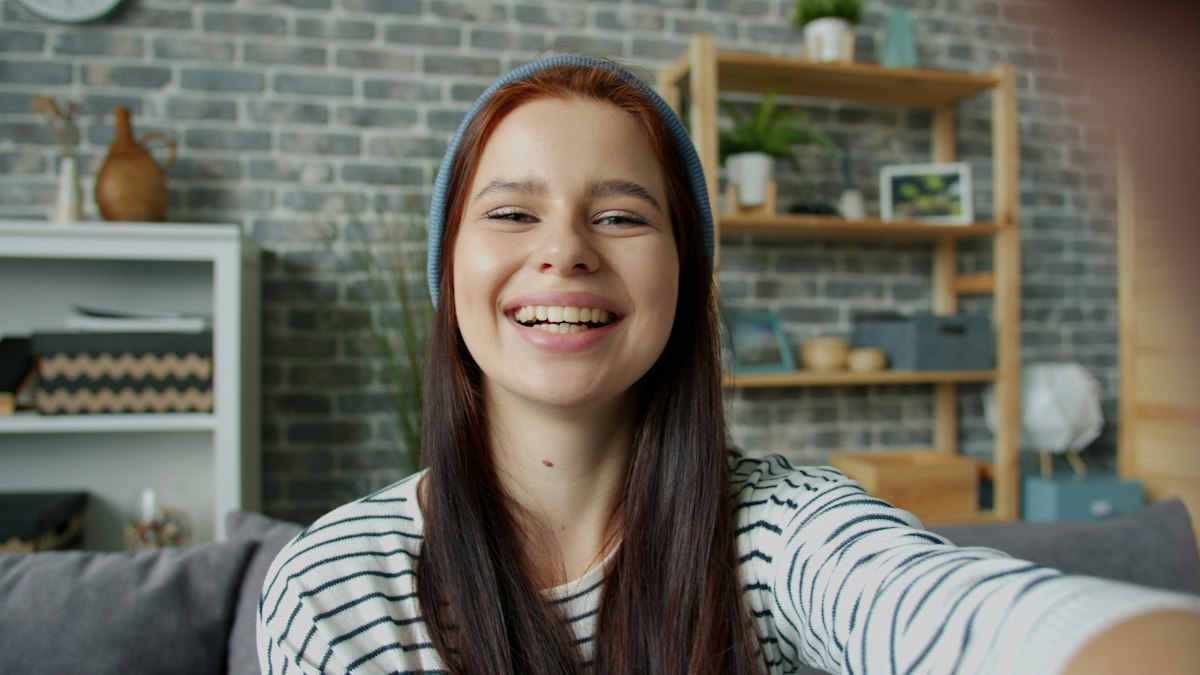
Mount Behavioral Health delivers peer support in person wherever possible, because there is something about sitting beside someone that a screen doesn't fully replicate. But in a city where teenagers move between boroughs for school, change plans at short notice and sometimes can't face leaving the house at all, telehealth peer support keeps the relationship going when meeting up isn't realistic. This is how the virtual version works and when it earns its place.
Peer support works through ordinary shared activity as much as conversation. Walking somewhere, sitting in a park, getting a drink, attending a meeting together. Those things build trust in a way that a scheduled video call doesn't quite match, particularly early on with a guarded teenager.
That's why our advocates meet young people face to face wherever it's practical. Telehealth isn't a downgrade, though. It's what keeps the work continuous when life gets in the way, and continuity is most of what makes this effective.
The distinction matters because peer support is built on a relationship rather than a protocol. A missed month does more damage here than it would to a structured course of therapy, where the material can simply resume. Telehealth peer support exists to make sure those gaps don't open in the first place.
Virtual sessions are usually shorter than a therapy appointment and considerably less formal. Twenty to forty minutes is typical, often with the camera on but not always, depending on what the young person can manage that particular day. The advocate might check in on a goal from last time, talk through something that happened at school, help prepare for an appointment, or simply be available while a teenager thinks out loud.
Some advocates use the format actively: reviewing a worry list together on screen, drafting a message a teen needs to send, or looking at a college application side by side. The tools change slightly; the relationship doesn't.
Keep it short and regular. Two 20-minute calls a week frequently beat one long session for a teenager whose attention on screen is limited.
Allow camera-off days. Insisting on video can end the contact altogether. A voice call is better than no call.
Protect privacy. Headphones, a closed door, and parents not within earshot. Teens edit heavily when they think they're being overheard.
Expect a different rhythm. Virtual conversations naturally contain more pauses than face-to-face ones, and advocates are trained not to rush in and fill every silence.
Our piece on what makes our telehealth services work for NYC families covers the practical side more broadly.
Virtual contact is easier to interrupt than an in-person meeting, so it needs a little protection. Treat the slot as a real appointment rather than something that can be moved for an errand. Make sure siblings know the door stays shut. Resist the urge to ask what was discussed afterward, and ask how they found it instead.
It also helps to be relaxed about what the sessions look like from outside. A teenager lying on their bed with the camera pointed at the ceiling may be more engaged than one sitting upright at a desk. Advocates are used to reading this, and what matters is whether the young person keeps showing up.
Telehealth peer support is not therapy, not a crisis service and not a substitute for in-person connection where that's achievable. If a young person is at risk, that goes to clinical staff and emergency services. And if virtual contact becomes the permanent default for someone who is withdrawing, that's worth naming rather than accommodating indefinitely, because part of the goal is usually re-engagement with the world.
For teens where isolation is the central difficulty, our loneliness page sets out how we approach it.
The honest summary is that format matters less than frequency. A teenager who speaks to the same trusted person most weeks, in whatever way is possible that week, gets more from peer support than one whose excellent in-person meetings happen twice a semester. Telehealth peer support is what makes the first pattern achievable in a city where the second is the default.
We provide Youth Peer Advocate and Family Peer Advocate services across all five boroughs, in person wherever possible and virtually when that's what keeps the connection going. See our peer support page or get in touch on 718-400-0545.
In-person is the default because shared activity builds trust faster. Telehealth is what maintains the relationship when meeting isn't practical.
Usually 20 to 40 minutes, shorter and less formal than a therapy session.
No. Many advocates allow voice-only contact, particularly on difficult days, because maintaining contact matters more than the format.
Yes, and for socially anxious teens that's often the better sequence.
It varies with need. Short, frequent contact often works better than one long session.
Yes, with the same safety exception as any service: serious risk is shared with clinical staff and parents.
Tell the team. Voice calls, messaging within agreed boundaries, or returning to in-person meetings may all be options.
Yes. Family Peer Advocates work with parents and caregivers, and that contact can also happen by video.
It's generally better suited to teens and young adults. Younger children usually do better with in-person contact.
Coverage varies by plan. Peer support is a recognized service in New York, and our team can check what yours includes.
If your child is in immediate danger or thinking about suicide, call or text 988 (Suicide & Crisis Lifeline) or call 911.


