
✕
Share Your Feedback
We’d love to hear from you
Thank you! Your submission has been received!
Oops! Something went wrong while submitting the form.
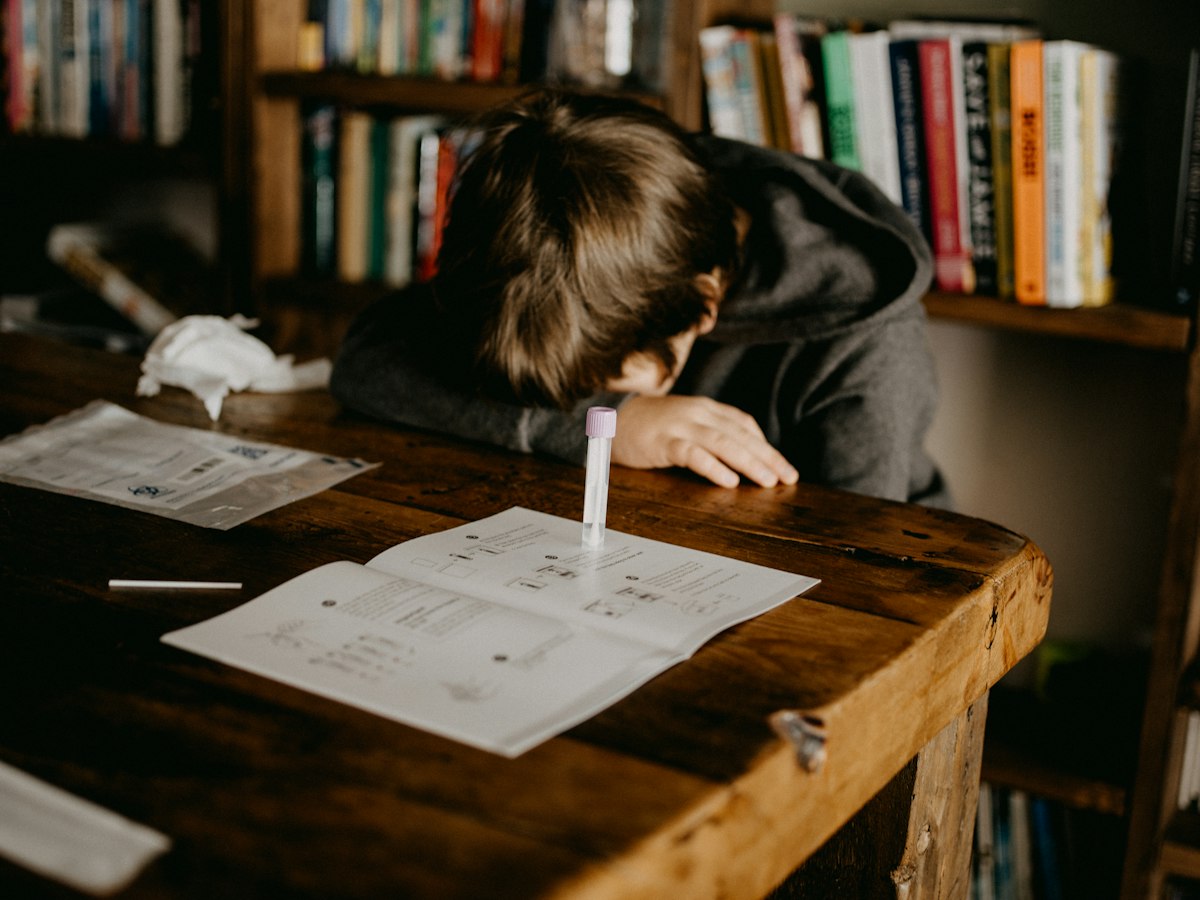
Most Brooklyn parents do not search for counseling because of a diagnosis. They search because something changed. A teen who used to talk at dinner now goes straight to their room. Mornings before school turn into arguments or stomachaches. Grades slip, sleep shifts, and friends stop coming over.
Teen counseling with remote sessions in Brooklyn is designed for exactly these moments. This guide looks at the three concerns that bring families in most often, anxiety, depression and school stress, and explains what remote counseling actually does for each, how parents fit in, and how to tell whether it is working.
Anxiety, low mood and school pressure feed each other. A teen who worries about tests sleeps badly, falls behind, feels worse about themselves and starts avoiding school, which makes the worry bigger. Breaking that loop is the main job of counseling, and it usually means working on more than one problem at once.
The scale is significant. According to the CDC, 4 in 10 high school students report persistent feelings of sadness or hopelessness. Many of them are coping quietly with anxiety and school pressure at the same time.
Quick Info: Remote sessions follow the same evidence-based methods as office visits. What changes is that your teen does not need to travel across Brooklyn to attend.
Constant "what if" questions, refusing to answer the phone, avoiding the subway or crowded places, panic before presentations, headaches or stomachaches on school mornings, and needing lots of reassurance.
The most researched approach for teen anxiety is cognitive behavioral therapy. Over video, a counselor helps a teen notice anxious thoughts, test them against what actually happens, and gradually face the situations they avoid in small, planned steps. Breathing and grounding skills are practiced live on screen so they are ready when needed.
Remote sessions have one real advantage here. Because the teen is at home, the counselor can coach them through practice in the place the anxiety shows up, such as packing a school bag the night before or making a short phone call.
For teens with obsessive or compulsive patterns, a specialized form of exposure work called ERP may be used. Read more on our anxiety specialty page.
Key Takeaway: Avoidance keeps anxiety going. Counseling helps teens face fears in small, manageable steps rather than all at once.
Withdrawal from family and friends, irritability, sleeping much more or much less, losing interest in things they used to love, low energy, harsh self-talk such as "I'm useless," and a drop in schoolwork.
Counseling for teen depression usually combines several elements:
Many depressed teens find it hard to leave the house, so attending from their own room removes one barrier on the days when energy is lowest. When symptoms are more severe, a psychiatric evaluation can be added to see whether medication would help alongside therapy. Our depression specialty page explains this further.
Late-night homework spirals, perfectionism, meltdowns about grades, frequent absences, conflict over phones and screen time, and Sunday evenings that feel tense for the whole family.
Counselors help teens break work into manageable pieces, plan their week, manage perfectionism and set realistic standards. They also build coping skills for test anxiety and help teens talk to teachers about what they need. With parental consent, the counselor can coordinate with the school, for example to support a plan for a teen who has been missing class. See our stress specialty page for more.
Good to Know: Many families notice small but real changes, such as easier mornings or fewer missed school days, within the first six to twelve sessions.
At Mount Behavioral Health, parents are partners in care. Your teen's individual sessions stay largely private, but you are part of the plan:
Parents can join check-ins remotely from work, which makes it far easier to stay involved. Our article on the role of parents in adolescent counseling explains why this makes such a difference.
Most teen counseling sessions last 45 to 60 minutes on a secure video link. A common structure:
The first appointment is usually longer and includes a parent for part of it, so the counselor can understand the full picture and agree goals with everyone.
Progress is rarely dramatic. Look for small shifts: a little less avoidance, better sleep, fewer school absences, more time out of the bedroom, or your teen mentioning a skill the counselor taught. If you see no change after two months, raise it. Adjusting the approach or the clinician is a normal part of care.
Remote counseling suits most teens with anxiety, depression or school stress, but not every situation. If there are active safety concerns, if your teen cannot find any private space, or if symptoms are severe, in-person care or a higher level of support may be better. Mount Behavioral Health's only physical clinic is in Brooklyn, so local families can combine remote and in-person sessions when needed. For setup tips and who remote sessions suit best, see our guide on teen counseling with remote sessions in Brooklyn.
Starting teen counseling remote sessions in Brooklyn is usually simpler than families expect. A short intake call covers your teen's age, main concerns, insurance and preferred times. The clinic then confirms coverage, matches your teen with a clinician who works with adolescents, and sends a secure video link for the first appointment.
It helps to talk with your teen before that first session. Keep it short and honest: you have noticed they seem stressed or down, you want them to have someone to talk to, and what they say will mostly stay between them and the counselor. Teens who feel included in the decision tend to engage more quickly than teens who feel it was arranged around them.
Mount Behavioral Health is a licensed Article 31 clinic certified by the New York State Office of Mental Health. We provide trauma-informed therapy and psychiatry for children, teens and young adults, focusing on ages 9 to 21, through telehealth across Brooklyn and all five boroughs, and in person at our Brooklyn clinic.
Quick Info: If your child is in immediate danger, call 911. For urgent support, call or text 988 to reach the 988 Suicide and Crisis Lifeline.
Yes. Research suggests that structured approaches such as CBT can be effective over video for many teens with anxiety. Practicing skills at home can even make it easier to apply them in daily life.
If low mood, withdrawal, sleep changes or loss of interest last more than two weeks or affect school and friendships, it is worth a professional assessment.
With your consent, counselors can coordinate with schools, for example to support attendance or classroom accommodations.
It varies. Many teens see meaningful change within six to twelve sessions, while others benefit from longer support. Your counselor will review progress with you regularly.
Yes. Mount Behavioral Health offers telehealth sessions after school and into the evening, Sunday to Thursday until 10 pm, and Friday until 4 pm.
Ready to talk about your teen's needs? Request an appointment or call 718-400-0545 to start teen counseling with remote sessions in Brooklyn.


